Organic Red
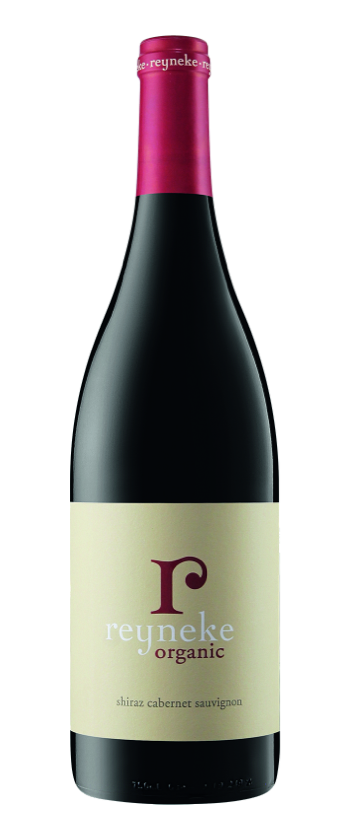
The nose is spicy, with aromas of black pepper, plum, cherry and cedar wood. There is also a light perfume of violets and plum on the nose. The palate is well balanced and structured, with juicy fresh tannins and a dry finish. Distinct notes of red fruit and spice on the palate, all add to this complex and enjoyable wine.
2,670 Ft 750 ml
13 in stock
| Weight | 1.5 kg |
|---|---|
| Colour | red |
| Style | |
| Évjárat |
| Region | Stellenbosch, South Africa |
|---|
| Grape Varieties | 85% Shiraz 15% Cabernet Sauvignon |
|---|---|
| Alcohol Percentage | 12.7 % |
| Ph | 3.7 |
| Acidity | 5 g/L |
| Litre Price (HUF) | HUF 5933 / Litre |
| Aggregated Critic Score | 88 / 100 |
|---|---|
| Average User Rating | 3 Stars |
In the Cellar
The Organic Shiraz Cabernet Sauvignon is made up of a blend of 85% Shiraz and 15 % Cabernet Sauvignon. The grapes are sourced from the best organic vineyards across the Western Cape, a quarter of it coming directly from the estate. The grapes were sorted, destemmed and wild, spontaneous fermentation took place in a combination of concrete tanks and open top stainless steel fermenters using the submerged cap fermentation technique. 25% of the wine spent eight months in older oak barrels after which the assemblage is made up and bottled.
About the winery: Reyneke
Natural solutions make for better wine, naturally. The Reyneke Vineyards are herbicide, pesticide and fungicide free. Just like any organic vineyard should be. With biodynamic farming, the soil becomes ‘alive’ and they let this energise the cellar. They follow a non-intervention approach to make the wine, rather guiding the winemaking process in order to display the individuality of the Uitzicht farm.
The Stellenbosch Region
The historical town of Stellenbosch, the ‘town of oaks’, boasts a winemaking tradition that stretches back to the mid-17th century. Stellenbosch is the business hub of the South African wine industry. The town is also the educational and research centre of the winelands. Stellenbosch University is the only university in South Africa that offers a degree in viticulture and oenology, and many of the country’s most successful winemakers are alumni. Stellenbosch has the most vineyard plantings in the winelands. Conditions in this district are particularly well suited to many of the noble grapevine varieties. The rapidly increasing number of wine estates and producers (more than 200) includes some of the most famous names in Cape wine. The district, with its mix of historic estates and contemporary wineries, produces excellent examples of almost all the noble wine grape varieties and is known for its blended reds. The Simonsberg-Stellenbosch ward encompasses several well-known estates and private cellars. The wines from this ward are predominantly red, made from Cabernet Sauvignon, Merlot and Shiraz, with wines made from the locally bred Pinotage variety also regularly reaping awards locally and internationally. There are four wards already demarcated in the hills of Bottelary in the Stellenbosch district, all of them again benefiting from cooling summer breezes. These are Papegaaiberg, Devon Valley, Bottelary and Polkadraai Hills. Several estates and private cellars have distinguished themselves in terms of quality wines in these wards, especially the Bottelary ward, Pinotage again being prominent here. The scenic Jonkershoek Valley is home to several top producers and boutique wineries. The higher elevations and textured soils make the valley ideal for growing Cabernet Sauvignon and other Bordeaux varieties. Banghoek is relatively new as a viticultural area with most vineyards planted in the last 20 years. It is mainly known for Sauvignon Blanc and red Bordeaux varieties.