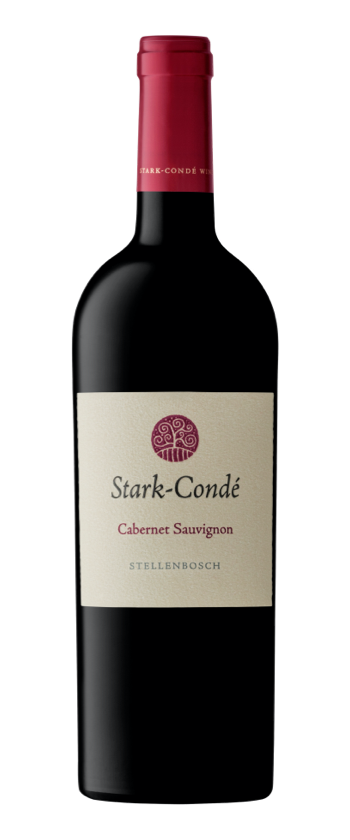
Cabernet Sauvignon
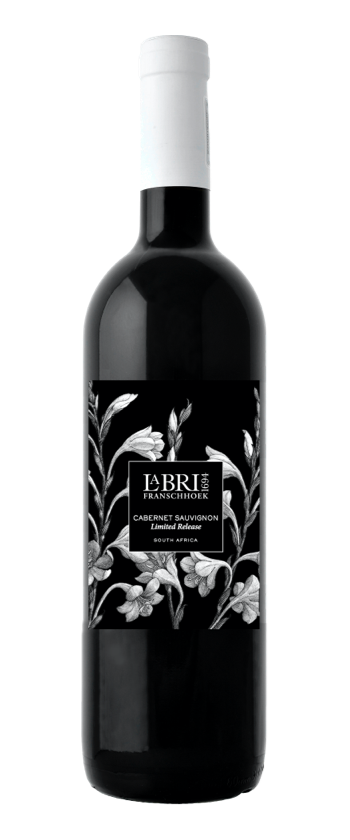
Blackberry fruit aromas with tea-leaf and cedar notes. The palate is rich and polished with dark fruit and mocha flavours and a finely balanced acidity. Long finish with the fine tannins typical of a Jonkershoek Valley wine.
4,794 Ft 750 ml
22 in stock
| Weight | 1.5 kg |
|---|---|
| Colour | red |
| Style | |
| Évjárat |
| Region | Stellenbosch, South Africa |
|---|
In the Cellar
The grapes for this wine are from 4 different Cabernet vineyards and our best Malbec, Cabernet Franc and Petit Verdot vineyards, all at a mix of different elevations. Although all are on the decomposed granite soils typical of the hillsides in Jonkershoek, the soil textures vary quite a lot and that, together with the differences in elevations and clones, gives a variety of different flavour profiles to the grapes. The Cabernet Franc grapes were picked into small lug boxes and cooled overnight to about 14 degrees before being hand-sorted and crushed into small open-top fermentation vats. After being cold-soaked for a couple of days, some of the musts were inoculated with a mix of domestic and imported Bordeaux yeast. About 405 underwent fermentation with the natural yeasts. The fermentations were hand punched-down every 4 hours for the first half of fermentation and every 6-8 hours until dry. At dryness, the wine was basket-pressed and racked to barrel for malo-lactic fermentation and barrel maturation. Only 300l French oak was used, of which about 30% were new. Bottled without fining and no filtration after 20 months barrel maturation.
About the winery: Stark-Condé
Kansas City-born graphic designer José Conde turned his hand to wine more than two decades ago, and continues to produce some of SA’s most classic cabernets from this scenically spectacular property in Stellenbosch's Jonkershoek, in the family since father-in-law Hans-Peter Schröder settled here in the late 1980s.
The Stellenbosch Region
The historical town of Stellenbosch, the ‘town of oaks’, boasts a winemaking tradition that stretches back to the mid-17th century. Stellenbosch is the business hub of the South African wine industry. The town is also the educational and research centre of the winelands. Stellenbosch University is the only university in South Africa that offers a degree in viticulture and oenology, and many of the country’s most successful winemakers are alumni. Stellenbosch has the most vineyard plantings in the winelands. Conditions in this district are particularly well suited to many of the noble grapevine varieties. The rapidly increasing number of wine estates and producers (more than 200) includes some of the most famous names in Cape wine. The district, with its mix of historic estates and contemporary wineries, produces excellent examples of almost all the noble wine grape varieties and is known for its blended reds. The Simonsberg-Stellenbosch ward encompasses several well-known estates and private cellars. The wines from this ward are predominantly red, made from Cabernet Sauvignon, Merlot and Shiraz, with wines made from the locally bred Pinotage variety also regularly reaping awards locally and internationally. There are four wards already demarcated in the hills of Bottelary in the Stellenbosch district, all of them again benefiting from cooling summer breezes. These are Papegaaiberg, Devon Valley, Bottelary and Polkadraai Hills. Several estates and private cellars have distinguished themselves in terms of quality wines in these wards, especially the Bottelary ward, Pinotage again being prominent here. The scenic Jonkershoek Valley is home to several top producers and boutique wineries. The higher elevations and textured soils make the valley ideal for growing Cabernet Sauvignon and other Bordeaux varieties. Banghoek is relatively new as a viticultural area with most vineyards planted in the last 20 years. It is mainly known for Sauvignon Blanc and red Bordeaux varieties.