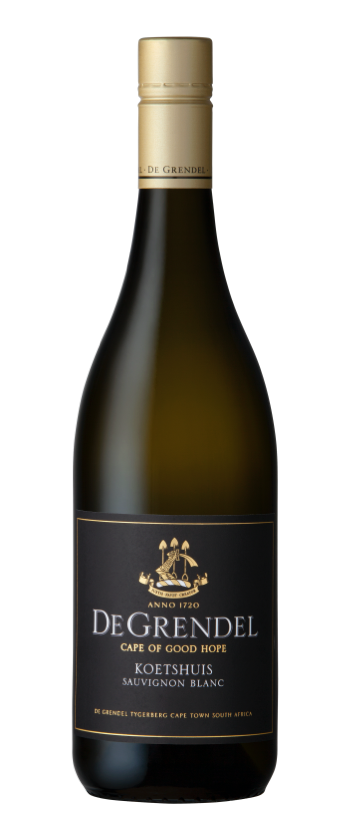
Koetshuis Sauvignon Blanc
Pale straw in colour with a fresh and invigorating nose. The wine displays aromas of sour pineapple, fresh honeydew cantaloupe, Packham’s pears and an underlying creamy richness from extended lees contact. This complex and multidimensional wine will develop in both the glass and the bottle with time. Decant slowly to ensure optimum drinking pleasure.
4,470 Ft 750 ml
4 in stock
| Weight | 1.5 kg |
|---|---|
| Colour | white |
| Style | |
| Évjárat |
| Region | Cape Town, South Africa |
|---|
| Grape Varieties | 91% Sauvignon Blanc 9% Semillon |
|---|---|
| Alcohol Percentage | 13.5 % |
| Ph | 3.43 |
| Acidity | 6.4 g/L |
| Litre Price (HUF) | HUF 9933 / Litre |
| Awards | FNB Sauvignon Blanc in 2019 - Top 10 Tim Atkin SA Report in 2019 - 91 Points Winemag Sauvignon Blanc Report in 2020 - 90 Points Platter's Guide in 2020 - 95 Points - 5 Stars |
|---|---|
| Aggregated Critic Score | 89 / 100 |
| Average User Rating | 5 Stars |

In the Cellar
With Lutzville and Darling batches being vinified individually for blending at a later stage, the handpicked grapes were crushed and allowed extended skin contact for approximately 6 hours before the juice was racked and settled for inoculation and fermentation in stainless steel tanks. Approximately 18% of the juice was inoculated and fermented in a combination of new and 2nd fill French Oak barrels, where it was kept on the fine lees for 100 days. Finally, the portions were blended for flavour, depth and complexity before being protein stabilised, cold stabilised and bottled.
About the winery: De Grendel
Winemaking at De Grendel is a careful balance between science and art. The meticulous care of the vineyards allows the grapes to express the environment in which they are grown and their distinctive varietal character. Careful harvesting and gentle handling in the cellar, combined with the winemaker's passionate practice of their craft, carry the wines throughout the journey from fruit into wine.
The Cape Town Region
The historic Constantia valley was the cradle of winemaking in South Africa and has a wine history dating back to 1685. The valley was the site of Simon van der Stel’s 17th-century wine farm and the source of the legendary Constantia dessert wines, which were famous throughout Europe during the 18th and 19th centuries. There are only a handful of cellars in the ward, and these continue the tradition of crafting excellent wines characterised by complexity and elegance. The wines today, highly esteemed by wine connoisseurs, are made from classic European noble varieties (Sauvignon Blanc, Semillon, Chardonnay, Merlot, Cabernet Sauvignon, Cabernet Franc and Shiraz). The acclaimed Cape Point vineyards, some of them a mere 1.2 km from the sea, are situated on the western edges of the Cape Peninsula. This cool-climate district is recognised mainly for its Sauvignon Blanc and Semillon. The vineyards of Durbanville, like those of Constantia, lie very close to Cape Town and border on the northern suburbs. Some dozen estates and wineries, situated mainly on the rolling hill slopes with their various aspects and altitudes, continue to make a wide variety of wine styles. Wines from this ward attracting attention are made predominantly from Sauvignon Blanc, which is the dominant variety in the valley, Chardonnay, Merlot, Pinotage and Cabernet Sauvignon.